
If you’ve driven around Central Virginia lately, you’ve likely seen a lot of new construction. Homes, medical facilities, data centers, and more. It seems that every time we pass through downtown Richmond we see an apartment building that wasn’t there yesterday.
There is no doubt that there’s a construction boom in Virginia.
While some of these projects are going on vacant lots and undeveloped land, many of them involve tearing down an existing building. But either way, new construction creates a lot of waste. And that’s a problem.
Globally, construction waste will hit around 2.2 billion tons this year. That’s “billions” with a “B.” Here in the United States, it’s almost a quarter of our waste. Around a third of it is stuff that the contractor ordered and then didn’t use – it was damaged, was the wrong product, or simply excess scrap.
There are many construction-related items that necessarily end up in landfills. Scraps of drywall, asphalt shingles, and bricks are hard to repurpose or recycle. There’s a niche industry of folks building with repurposed materials and stores that market those items. Caravati’s in Ashland started gathering items from old houses and factories in 1939, and their popular store has a ton of cool stuff. Looking for a vintage light fixture or an oddly-sized door? They likely have one.
But many items used in construction can be recycled.
Fun Fact: Remember that bridge on I-95 in Pennsylvania that collapsed in 2023? Repairing something like that is a project that normally takes a couple of years. Pennsylvania’s Department of Transportation had it open to traffic in 12 days. How did they do that? Using recycled glass for backfill and paving.
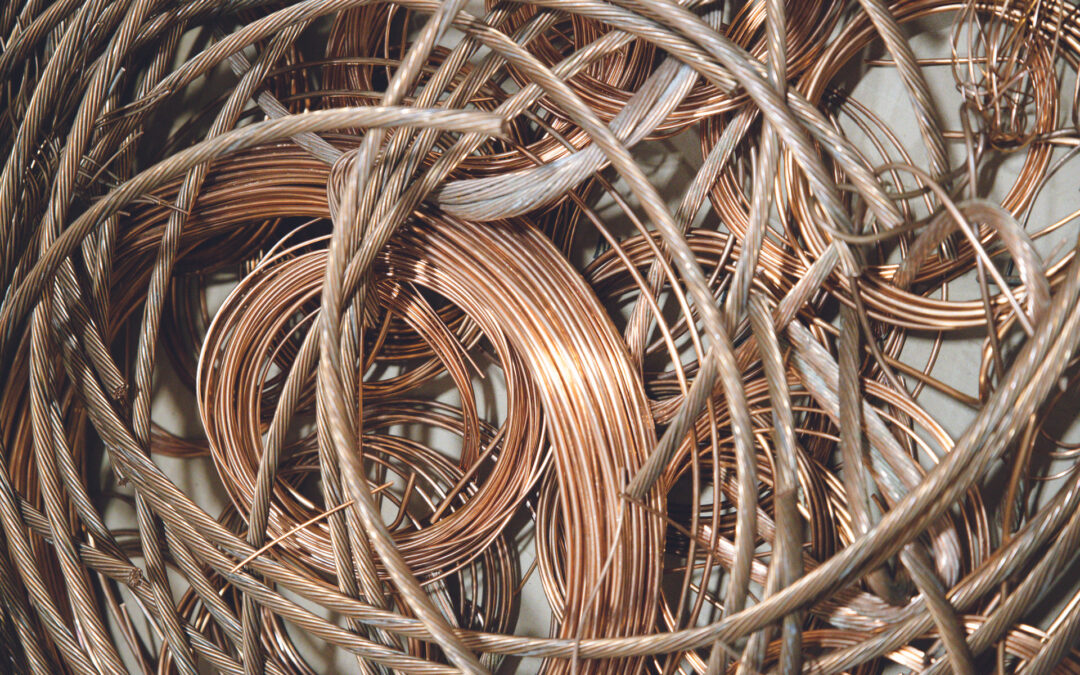
Taking care of your metal construction waste is where we come in. Look at the aluminum used in ductwork and struts and trusses. Aluminum is an attractive metal for recyclers and those trying to make a dent in our waste stream because it’s almost 100% recyclable. If you give us 500 pounds of scrap aluminum we can turn it into around 500 pounds of new aluminum. Same with copper. If you’re wiring a new data center or medical facility, you’re going to run miles and miles of data cables. You’re bound to end up with a few miles of scrap. Those cables are full of copper.
In addition to reducing the amount of waste we’re sending to landfills, recycling that scrap can put a few extra dollars in a contractor’s pocket.
Let us help.
Recent Comments